
.jpg)
An in-depth look into the complex world of global hospitality sourcing, manufacturing, and supply chain management.
Introduction to Hospitality Sourcing
When walking into a luxury lobby or a high-end suite, guests are often struck by the seamless blend of comfort and aesthetic appeal. This leads to a common industry question: where do hotels buy their furniture? Unlike residential purchasing, hospitality procurement is a high-stakes, multi-layered process that involves massive scales, strict safety certifications, and bespoke designs. For hoteliers, developers, and asset managers, the furniture is not just decor; it is an investment in the guest experience and brand identity. The search for the right supply partner usually starts with understanding the difference between off-the-shelf options and custom-manufactured solutions.
The procurement landscape is vast, spanning from local distributors to global direct manufacturers. For independent boutique hotels, the path might lead to wholesale showrooms. However, for international chains and luxury developments, the answer to where do hotels buy their furniture almost always points toward direct manufacturing partnerships. These partnerships ensure that every piece of furniture, from the headboards to the public area seating, meets the rigorous standards of the hospitality industry. In this guide, we will explore the various channels used by professionals to furnish world-class properties and why direct sourcing has become the gold standard for quality and cost-efficiency.
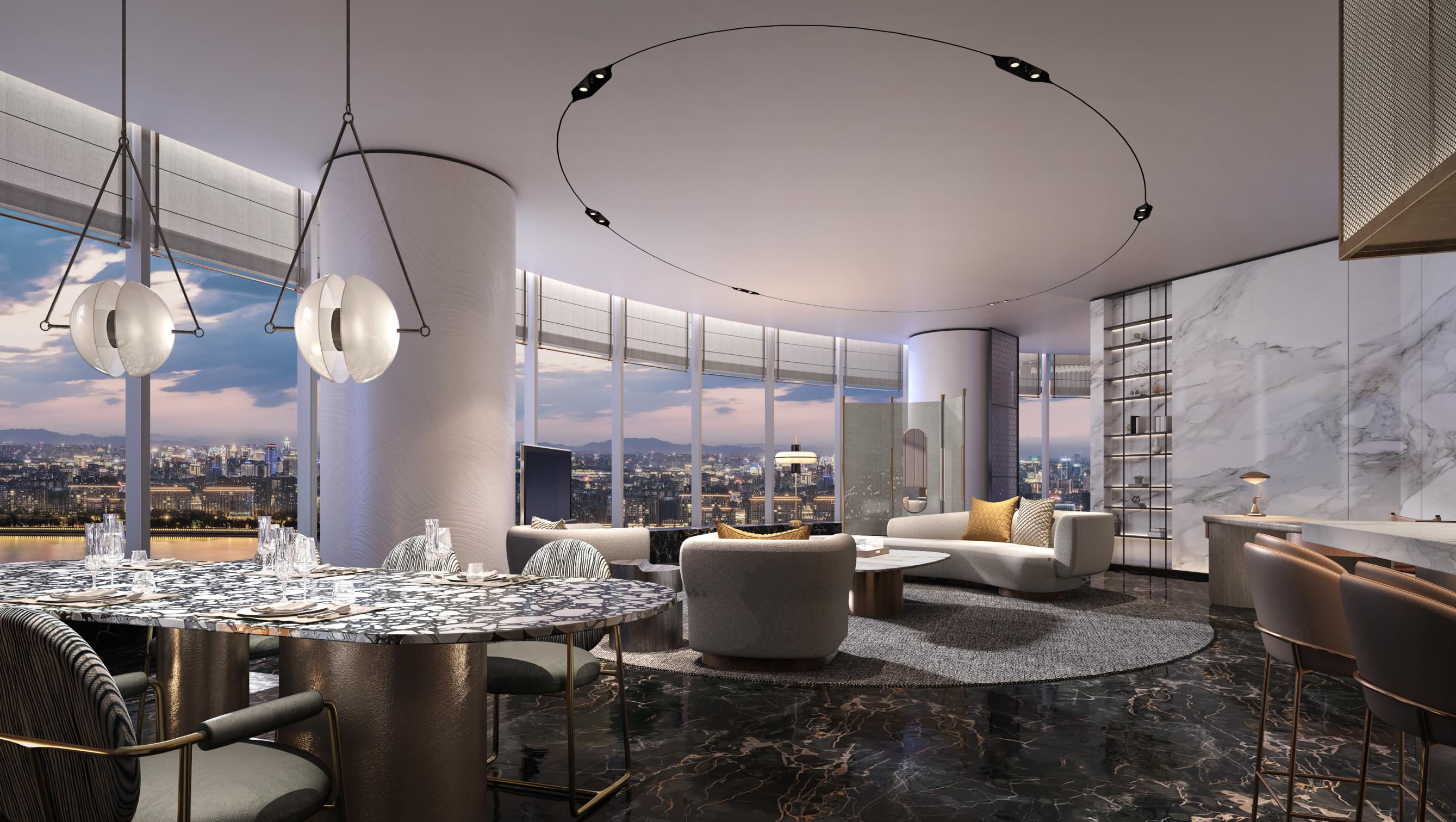
The Role of Direct Manufacturers in Large-Scale Projects
One of the most efficient ways to answer where do hotels buy their furniture is by looking at large-scale industrial manufacturers. Direct manufacturers are the backbone of the hospitality industry, providing the capacity to produce thousands of items simultaneously while maintaining consistency. When a hotel group like Marriott or Hilton launches a new project, they require hundreds of identical guestroom sets. Direct manufacturers offer the advantage of "one-stop" production, where everything from case goods to upholstered seating is crafted under one roof. This minimizes the risk of color variations or material discrepancies that often occur when sourcing from multiple vendors.
Furthermore, working directly with a manufacturer allows for significant technical realization. In the luxury sector, architects provide detailed drawings that require precise engineering. A professional factory interprets these designs to ensure they are not only beautiful but also structurally sound for high-traffic environments. These manufacturers often have massive facilities, sometimes exceeding 100,000 square meters, equipped with advanced CNC machinery and specialized finishing rooms. By bypassing intermediaries, hotels can achieve better pricing, faster lead times, and direct communication regarding quality control and shipping logistics. This direct-to-factory model is preferred by developers who prioritize durability and long-term value.
Navigating FF&E Procurement and Management
Furniture, Fixtures, and Equipment (FF&E) is a specialized niche within the construction and design industry. For many stakeholders, the journey of where do hotels buy their furniture goes through FF&E procurement firms. These agencies act as the bridge between the hotel owner and the manufacturer. Their primary role is to manage the budget, timeline, and logistics of the furniture rollout. They handle the "request for quote" (RFQ) process, vetting various manufacturers to ensure they have the certifications and capacity to handle the project. Procurement agents are essential for international projects where language barriers or regional trade regulations might complicate the supply chain.
A procurement firm also provides critical oversight in quality assurance. They often visit factories to perform mid-production inspections and pre-shipment checks. This layer of professional management ensures that the "shop drawings" approved by the designer are accurately translated into the final product. While these firms charge a fee for their services, the savings they generate through bulk negotiation and the prevention of costly errors often outweigh their costs. For many developers, the procurement firm is the strategist that identifies exactly where do hotels buy their furniture to achieve the best balance of aesthetic impact and functional longevity.
Bespoke Solutions vs. Wholesale Catalogs
The question of where do hotels buy their furniture also depends on the hotel's tier and brand strategy. Economy and mid-scale hotels may often source from wholesale catalogs or "quick-ship" distributors. These products are pre-designed and mass-produced, allowing for rapid replacement and lower initial costs. However, the downside is a lack of brand uniqueness. In contrast, luxury and boutique hotels almost exclusively opt for bespoke furniture. Customization allows the property to reflect its local culture, history, or a specific design theme that sets it apart from competitors.
Custom furniture manufacturing involves a deep dive into materials, from exotic veneers to marine-grade fabrics for outdoor resorts. It also involves "fixed furniture" or joinery—elements like built-in wardrobes, wall panels, and vanity units that must be integrated into the building's architecture. When a hotel chooses a custom manufacturer, they are buying a tailored solution that fits the exact dimensions of their rooms. This level of detail is why luxury brands consistently return to proven manufacturing partners. Whether it is a hand-carved desk or a high-tech modular sofa, the ability to customize every detail is the primary reason why professional procurement focuses on specialized hospitality factories.
Why Global Brands Source Furniture from China
Geographically, if you ask where do hotels buy their furniture in the modern market, a significant percentage of the answer is China. Regions like Guangdong have become the global epicenter for hospitality furniture production. The reason for this dominance is not just cost, but the maturity of the entire supply chain. From raw timber sourcing to high-precision hardware and advanced fabric treatments, everything needed for furniture production is concentrated in these industrial hubs. This concentration allows for incredible efficiency in prototype development and mass production, making China the first choice for global hotel groups.
Quality control in Chinese export-oriented factories has also reached world-class standards. Leading manufacturers operate under ISO 9001 and ISO 14001 certifications, ensuring that their environmental impact and product quality meet international expectations. These factories are accustomed to working with the world's top interior design firms and understand the nuances of international fire-retardant standards (such as BS 5852 or CAL 117). By leveraging the scale of Chinese manufacturing, hotels can access premium materials and expert craftsmanship at a price point that makes large-scale luxury projects financially viable.
Richart Furniture: A Legacy of Manufacturing Excellence
Founded in 1990, Richart Furniture is a premier Chinese manufacturer specializing in high-end hospitality and residential solutions. Based in Zhaoqing, Guangdong, with a state-of-the-art 100,000-square-meter facility, we have spent over 30 years refining the art of furniture production. Our expertise lies in executing complex technical drawings through industrial precision, ensuring that every piece of where do hotels buy their furniture meets the highest durability and aesthetic standards. With a workforce of over 1,000 skilled professionals, we offer the scale and stability required by global developers.
Our portfolio includes collaborations with prestigious brands such as The Ritz-Carlton, St. Regis, and Hyatt. We specialize in both movable furniture and intricate fixed furniture, providing turnkey solutions for luxury villas, clubhouses, and five-star resorts. As a leading hospitality furniture manufacturer, Richart Furniture is committed to green production and sustainable engineering. Our global network spans over 20 countries, proving that when it comes to high-precision bespoke fabrication, our experience is unmatched.
36+ Years of Expertise
Decades of specialized experience in luxury hospitality sectors.
Global Reach
Partnered with 20+ international hotel groups on 5 continents.
Frequently Asked Questions
Q1: Where do hotels buy their furniture for high-end luxury projects?
Luxury hotels typically source their furniture from direct manufacturers like Richart Furniture. These projects require bespoke designs, high-precision joinery, and premium materials that standard retailers cannot provide. By working with a direct manufacturer, luxury hotels ensure that each piece is custom-tailored to the brand's unique identity and the designer's specific vision.
Q2: Why do hotels buy their furniture from manufacturers in China?
China, particularly the Guangdong region, offers an unparalleled supply chain for hospitality furniture. When hotels ask where do hotels buy their furniture to get the best value, China is the answer due to its massive production scale, advanced technology, and skilled craftsmanship. Factories like ours provide the capacity to handle large volumes while meeting international safety and quality certifications.
Q3: Can hotels buy furniture that is both fixed and movable from the same source?
Yes, professional manufacturers like Richart specialize in both fixed joinery (wardrobes, wall panels) and movable items (sofas, chairs). This unified sourcing approach ensures consistency in finishes and wood grains across the entire property, simplifying the project management process for the developer.
Q4: What are the durability standards when hotels buy their furniture?
Hospitality furniture must withstand much higher usage than residential furniture. When hotels buy from specialized manufacturers, the products are tested for structural integrity, scratch resistance, and fire safety. We utilize advanced finishes and reinforced joinery to ensure a long lifespan even in high-traffic hotel environments.
Q5: How long is the lead time when hotels buy their furniture from a factory?
Lead times vary based on the project size, but typically range from 8 to 14 weeks. This includes the technical drawing approval phase, prototyping, mass production, and quality inspection. Planning ahead and choosing an experienced manufacturer with stable supply chain management is crucial for meeting hotel opening dates.
Conclusion
Understanding where do hotels buy their furniture is the first step toward a successful hospitality development. Whether through a procurement agent or a direct manufacturer, the focus must always remain on quality, customization, and industrial-grade durability. By partnering with a world-class manufacturer like Richart Furniture, you gain access to decades of expertise, a massive production capacity, and a proven track record of serving the world's most prestigious hotel brands. Our commitment to technical realization and sustainable production ensures that your project is not only beautiful but built to last.
Ready to elevate your hospitality project with premium furniture solutions?
Contact Richart Furniture Today