
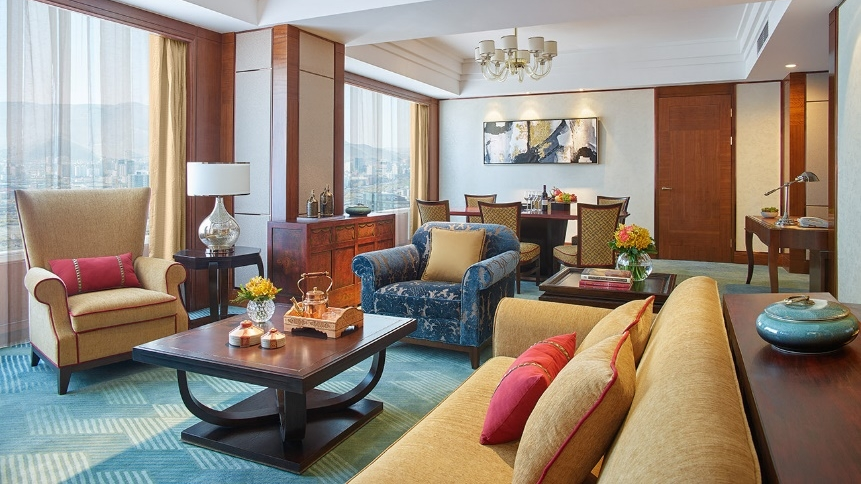
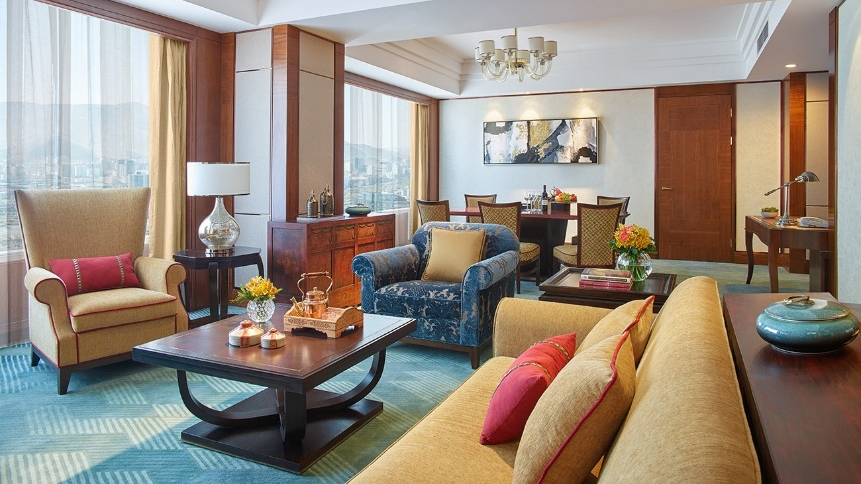
Custom hospitality furniture matters because the guest experience is increasingly built on the feel of the room, and the feel of the room is built on the pieces that fill it. After more than a decade of working with hotel groups, I have seen properties where a custom hospitality furniture program lifted the entire brand, and I have seen properties where a catalog compromise quietly cost them five points of guest score over two renovation cycles. In this guide, I want to share why custom hospitality furniture is no longer a "nice to have" for serious operators, what it actually delivers that catalog cannot, and how to think about the decision for your own property.
THE SHORT VERSION
Custom hospitality furniture matters because the room is the product. When every case good, every chair, and every millwork panel is designed for one property, the guest feels the difference, the brand tells a clearer story, and the operator gets a room that is easier to live with, clean, and maintain over the long run.
The Guest Has Changed Faster Than Most Furniture Programs
Travelers in 2026 are not the travelers of 2016. They arrive with longer Instagram histories, sharper eyes for material quality, and a much lower tolerance for rooms that look "like every other mid-range property." When a guest walks into a room and sees the same headboard they saw in a competitor two cities over, the property has lost a small but compounding piece of brand equity. Custom hospitality furniture is one of the few levers the operator actually controls, and it is the lever that most directly shapes how the room is read.
What used to be acceptable in a "comfortable" three-star property is now expected at the upper-mid tier, and what used to differentiate a luxury property is now table stakes. The only durable way to keep up with that curve is to invest in pieces that are drawn for the property, not pulled from a shared catalog.
What the Guest Actually Notices
- Whether the desk and the credenza look like they were designed together, or whether they were ordered separately and just happen to share a room
- Whether the headboard fills the wall the way the room needs, or whether there is an awkward gap because the catalog SKU is a fixed width
- Whether the lounge seating looks like it belongs in a hotel, or whether it looks like it was rescued from a clearance outlet
- Whether the wood, the metal, and the fabric all age together or whether one fades faster than the rest and makes the room look tired before its time
None of these observations are about luxury for its own sake. They are about whether the room looks intentional, and intentionality is what custom hospitality furniture is engineered to deliver.
The Real Business Case for Custom Hospitality Furniture
A lot of buyers I work with start the conversation with "is custom worth the premium?" and the honest answer is that the question is framed wrong. The right comparison is not the per-piece price of custom versus catalog, it is the total outcome over the life of the room. When you frame the decision that way, the case for custom hospitality furniture usually becomes much clearer.
WHERE CUSTOM HOSPITALITY FURNITURE EARNS ITS PREMIUM
- Higher RevPAR at properties that can defend a premium positioning
- Lower guest complaint volume around room "feel" and wear
- Longer service life because pieces are built to the actual operating environment
- Faster replacement cycles for spare parts because the spec is documented and reproducible
In one resort project I supported, the team was about to specify a standard outdoor seating set that "looked close enough" to a custom hospitality furniture version. The custom version used a marine-grade substrate, a UV-stable finish, and a quick-dry foam wrapped in a contract-grade outdoor fabric. After three years on the pool deck, the custom pieces still looked like part of the property, and the standard set had been replaced twice. The premium on the custom program paid for itself in replacement costs alone, and that is before counting the guest experience.
What "Hospitality Grade" Really Means
A lot of the language around "hospitality grade" is marketing, so it is worth being precise. A true hospitality-grade piece is engineered for repeated guest use, daily housekeeping, and a service life measured in years, not seasons. Custom hospitality furniture gives the buyer direct control over each of the engineering choices that determine whether a piece will actually last in a hotel.
| Engineering Layer | Why It Matters in a Hotel |
|---|---|
| Frame and joinery | Determines whether a piece survives years of guest handling and housekeeping moves without loosening |
| Foam density and wrap | Sets how long seating keeps its shape and support under daily use |
| Fabric rub count and finish | Drives stain resistance, fade behavior, and the cost of routine cleaning |
| Edge and surface protection | Reduces visible wear at the touch points that housekeeping and guests hit every day |
| Hardware and glides | Affects the daily feel of drawers, doors, and case goods, and how often the maintenance team has to intervene |
If you can see all five of those layers in the spec sheet, you are looking at a real custom hospitality furniture program. If those choices are hidden behind a SKU and a finish card, you are not.
How Custom Hospitality Furniture Protects the Brand
A hotel brand is a promise, and the room is where that promise is delivered. When the furniture is generic, the promise is generic, and the property has to work harder on the soft touches to compensate. When the furniture is custom hospitality furniture that was drawn for the property, the room carries the brand, and the soft touches have something to build on.
A Consistent Story Across Properties
For multi-property operators, custom hospitality furniture is also how the brand story stays consistent from city to city without becoming identical. The same design language is applied to each property, but the dimensions, the millwork, and the local material accents are tuned to the building. That is how a brand can feel like a system without feeling like a chain.
A Documented Standard for Future Phases
A second benefit that buyers often miss until the next renovation cycle is documentation. A custom hospitality furniture program generates a full drawing set, a finish schedule, a hardware schedule, and a materials spec. Five years later, when the property needs a phase-two refresh, the team can reproduce, replace, or evolve the program without starting from a blank page. You can see how we approach that in our hotel furniture category, where the specification is treated as a long-term asset rather than a one-time order.
Where Custom Hospitality Furniture Earns the Most
I do not recommend custom hospitality furniture for every project. For some properties, a well-chosen catalog line is the smarter call. But there are clear categories where custom almost always wins, and these are the categories I focus on when I help a buyer frame the decision.
- Boutique and lifestyle properties where the room is the main differentiator and the property cannot afford to look like a chain
- Resort and destination properties where the operating environment, from salt air to pool chlorine, would destroy a generic SKU
- Renovations of older buildings where the room geometry, the door openings, and the millwork pockets do not match any standard kit
- Branded residences and mixed-use projects where the residential feel and the hospitality feel have to coexist in the same envelope
If your property sits in one of these categories, custom hospitality furniture is rarely the risky bet. The risky bet is staying with a generic catalog line and hoping the soft touches carry the brand.
How to Move From "Considering" to a Real Custom Hospitality Furniture Plan
If you have read this far, the case for custom hospitality furniture probably already makes sense for your property. The next step is moving from interest to a real plan, and there is a small set of decisions that makes the rest of the project much smoother.
- Write a one-page brand brief that captures the design direction in plain words, not just mood boards
- Pull a measured room survey so the factory is designing around reality, not around assumed dimensions
- Decide which pieces must be custom and which can be sourced from a vetted catalog line
- Lock the performance spec for each space, indoor, outdoor, spa, pool, and so on
- Choose a partner whose in-house design team can run the program from concept to installation
Custom hospitality furniture is one of the most direct ways a hotel can take control of how its rooms feel and how the brand reads in the guest's memory. The investment is real, but so is the upside when the program is run by a team that treats it as a long-term asset rather than a single purchase.
Frequently Asked Questions About Custom Hospitality Furniture
What is the difference between custom hospitality furniture and contract furniture?
Contract furniture is built to commercial-grade performance standards. Custom hospitality furniture is contract-grade by default, but is also designed to your property's specific dimensions, finishes, and brand language rather than pulled from a shared catalog.
Can a factory handle both new-build and renovation programs?
Yes, a good custom hospitality furniture partner can run both, but the survey and the sample process usually take a little longer on renovations because the team is designing around an existing building rather than a clean floor plate.
Does custom hospitality furniture only apply to guest rooms?
No. The same logic applies to public space, lobby, restaurant, pool deck, spa, ballroom, and back-of-house, anywhere the property needs the brand to read consistently and the piece to survive the operating environment.
How do I keep a custom hospitality furniture program on budget?
Lock the spec early, limit the number of unique finishes and fabrics, and run a clear prototype and sign-off cycle before full production. Most budget surprises I have seen come from late spec changes, not from the custom program itself.
If you are weighing a custom hospitality furniture program for an upcoming project, our team can help you scope the spec, the sample plan, and the schedule around your opening date.