
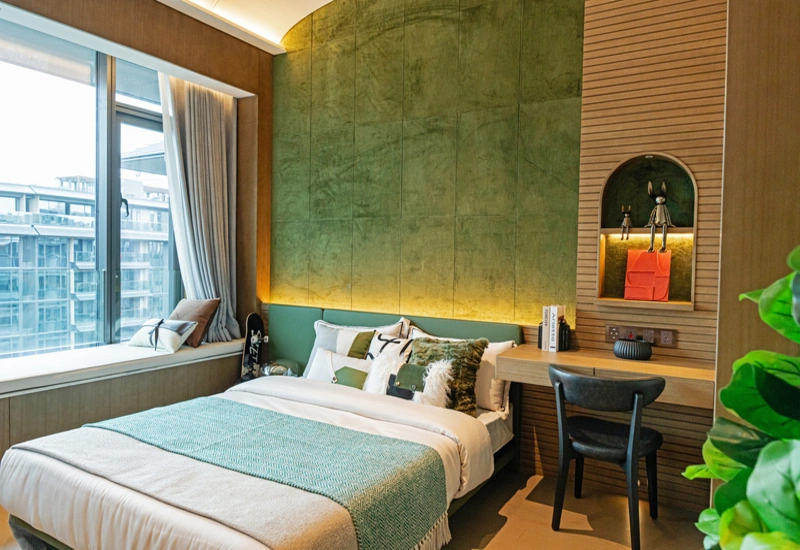
In the hospitality industry, hotel furniture plays a pivotal role in creating guest comfort, defining brand identity, and influencing operational efficiency. For hoteliers planning new properties or renovations, a critical question arises: should they invest in custom hotel furniture designed to meet specific requirements, or rely on standard, mass-produced products?
Both options offer distinct advantages and potential limitations. A clear understanding of these differences can help hoteliers make informed decisions that enhance aesthetics, functionality, and long-term cost efficiency.
1. Understanding Custom and Standard Hotel Furniture
Before evaluating the pros and cons, it is essential to understand what each option represents:
· Custom Hotel Furniture refers to pieces designed and manufactured specifically for a hotel’s unique requirements. This approach accounts for branding, room dimensions, interior design style, and guest experience. Every element—from materials and colors to functionality and ergonomics—is tailored to the hotel environment.
· Standard Hotel Furniture is mass-produced to fit a wide range of hotels. While available in multiple styles and sizes, it lacks the personalization and exact fit of custom furniture. Standard furniture is generally faster to procure, less expensive upfront, and easier to maintain due to uniformity.
This foundational understanding allows hoteliers to evaluate which option aligns with their operational goals, budget, and desired guest experience.
2. Key Differences and Comparison
The differences between custom hotel furniture and standard products can be summarized in the table below:
|
Feature |
Custom Hotel Furniture |
Standard Hotel Furniture |
|
Design |
Tailored to brand identity, theme, and interior style |
Generic styles; limited customization |
|
Room Fit |
Optimized for specific room dimensions, irregular layouts, or multi-functional suites |
Pre-set dimensions; may require adaptation |
|
Guest Comfort |
Ergonomic design, high-quality materials for superior experience |
Basic comfort; may not meet premium expectations |
|
Material Quality |
Durable and premium materials designed for longevity |
Moderate quality; mass-produced materials |
|
Cost |
Higher upfront cost; lower long-term maintenance |
Lower initial cost; may require frequent replacement |
|
Availability |
Lead time depends on design and production |
Immediate or short lead time; mass availability |
|
Brand Impact |
Reinforces brand identity and unique aesthetic |
Limited contribution to brand differentiation |
|
Maintenance |
Reduced long-term repairs due to tailored durability |
Easier replacement due to standardization |
3. Advantages of Custom Hotel Furniture
Investing in custom hotel furniture offers multiple benefits that directly impact guest satisfaction, brand recognition, and operational efficiency:
3.1 Brand Alignment
Custom furniture allows hotels to communicate a unique brand identity through interior design. This includes:
1. Visual Cohesion: Matching furniture to room décor, lighting, and architectural features.
2. Differentiation: Offering distinctive designs that competitors cannot replicate.
3. Marketing Value: A unique interior becomes part of the guest experience and is featured in marketing and social media campaigns.
3.2 Optimized Room Layouts
Custom furniture is designed to maximize usable space and functionality:
1. Precision Fit: Furniture matches room dimensions, avoiding wasted space.
2. Multi-functional Solutions: Desks, seating, and storage can be integrated into smaller rooms or suites with irregular layouts.
3. Built-in Integration: Custom wardrobes, desks, and entertainment centers fit seamlessly, reducing clutter and enhancing aesthetics.
3.3 Enhanced Guest Comfort
High-quality furniture improves the guest experience:
1. Ergonomics: Beds, chairs, and workspaces are tailored to human factors for comfort and convenience.
2. Premium Materials: Soft fabrics, solid wood, and durable finishes elevate the tactile experience.
3. Room-specific Needs: Business travelers, families, or long-stay guests benefit from furniture designed for their specific requirements.
3.4 Long-Term Cost Efficiency
Though upfront costs are higher, custom hotel furniture can save money over time:
1. Durability: Premium materials reduce wear and tear, lowering replacement frequency.
2. Reduced Renovation Needs: Furniture designed to fit the space reduces the need for modifications during refurbishments.
3. Maintenance Savings: Properly built furniture reduces long-term repair costs.
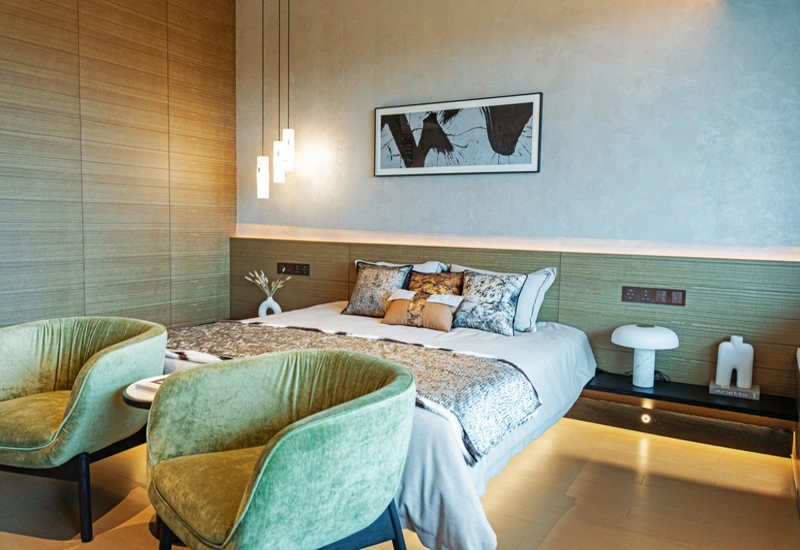
4. Advantages of Standard Hotel Furniture
Despite the benefits of customization, standard furniture remains practical in many situations:
4.1 Lower Upfront Costs
Standard furniture is mass-produced and widely available, keeping initial investment low—a significant factor for hotels with tight budgets or short-term projects.
4.2 Faster Procurement
Pre-made furniture can be delivered quickly, making it ideal for projects with tight timelines or urgent renovations.
4.3 Consistency and Maintenance
Standard furniture provides uniform quality and simplifies maintenance:
1. Easy Replacement: Damaged units can be swapped without sourcing custom designs.
2. Simplified Staff Training: Uniform furniture is easier for housekeeping and maintenance teams to manage.
4.4 Practicality for Budget Hotels
Economy and mid-scale hotels can achieve functional, safe, and aesthetically acceptable rooms with standard furniture, ensuring operational efficiency without high investment.
5. Making the Right Choice
When deciding between custom hotel furniture and standard products, hoteliers should consider:
5.1 Hotel Category and Branding
· High-end, boutique, or luxury hotels benefit most from custom furniture, which enhances brand identity and guest experience.
· Economy or mid-scale hotels may prioritize cost savings and operational simplicity, making standard furniture acceptable.
5.2 Room Layouts
· Irregular or multi-functional rooms are best served with custom furniture.
· Standardized rooms can often accommodate mass-produced furniture without significant compromise.
5.3 Guest Experience
· Hotels focused on comfort, aesthetics, and premium service should invest in custom solutions.
· Hotels focused on basic accommodation may rely on standard furniture.
5.4 Budget and ROI
· Custom furniture requires higher upfront investment but provides better long-term ROI through durability, brand reinforcement, and guest satisfaction.
· Standard furniture is more suitable for short-term projects or limited budgets.
6. Why Choosing Custom Hotel Furniture is More Cost-Effective
Investing in custom hotel furniture is often more cost-effective than relying on standard products when considering the full lifecycle of the furniture.
1. Brand Image and Market Positioning
Custom furniture enhances the hotel’s identity, giving a premium impression that attracts higher-paying guests. Strong brand alignment also supports marketing and repeat bookings.
2. Guest Comfort and Satisfaction
Properly tailored furniture improves ergonomics and aesthetic appeal, resulting in higher guest satisfaction, positive reviews, and loyalty. This directly translates to increased revenue over time.
3. Long-Term Cost Savings
o Durable, high-quality materials reduce repair and replacement frequency.
o Furniture designed for the specific room layout minimizes wasted space and avoids costly post-installation adjustments.
o Maintenance is simplified due to purpose-built durability, lowering operational costs.
In comparison, while standard furniture reduces upfront expenses, hotels often face hidden costs: frequent replacements, generic fit leading to wasted space, and limited brand differentiation. When viewed from a total cost perspective—including brand impact, guest experience, and lifecycle expenses—custom hotel furniture provides a higher return on investment and long-term value.
7. Conclusion
Choosing custom hotel furniture over standard products is not merely an aesthetic decision—it is a strategic investment in brand, comfort, and cost efficiency. Custom furniture allows hotels to create a unique identity, enhance guest experience, and optimize room functionality, all while reducing long-term maintenance and replacement costs. Standard furniture may suit budget-conscious projects or uniform rooms, but for spaces that define the hotel’s image and influence guest perception, custom solutions are far more cost-effective. By carefully balancing areas that require high impact with select standard pieces, hotels can achieve an optimal mix of style, comfort, and economic efficiency.