
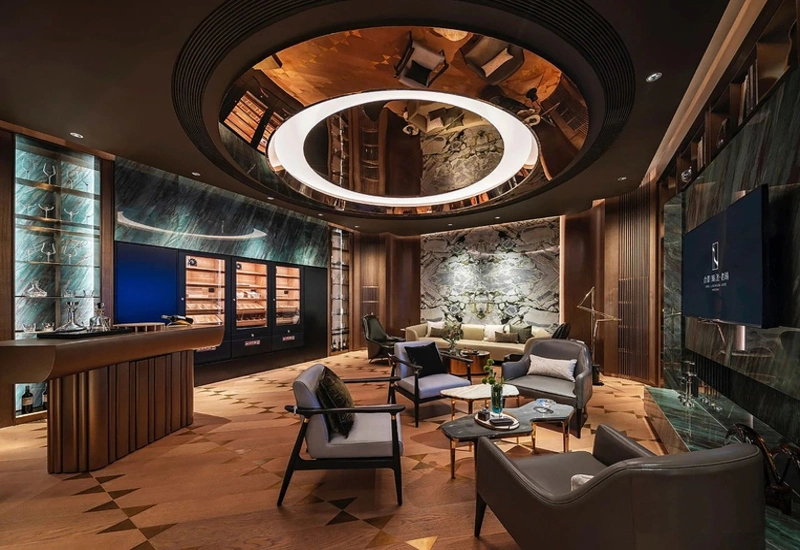
Hotel furniture plays a pivotal role in shaping guest experience, comfort, and the overall brand image of hospitality properties. Selecting the right hotel furniture involves a thorough understanding of both the materials used and how design style integrates with the hotel’s interior environment. This comprehensive guide provides insights into common furniture materials, their durability, maintenance requirements, design strategies, and best practices for ensuring aesthetic harmony and long-lasting quality.
1. Understanding Hotel Furniture Materials and Durability
The materials chosen for hotel furniture directly impact the lifespan, maintenance, and overall cost-effectiveness of the pieces. Hotels experience high foot traffic daily, which places furniture under constant stress. Choosing the right materials ensures longevity, safety, and a visually pleasing environment that aligns with brand identity.
1.1 Wood
· Types: Solid wood (oak, walnut, teak), engineered wood (MDF, plywood).
· Durability: Solid wood is extremely durable, resistant to scratches and dents, and can last for decades with proper care. Engineered wood is lighter and more cost-effective but may warp over time if exposed to moisture.
· Maintenance: Solid wood requires periodic polishing or oiling, and moisture exposure should be minimized. Engineered wood should be wiped with a damp cloth and protected from sharp impacts.
· Advantages: Timeless appeal, can be refinished, supports intricate designs.
· Disadvantages: Higher cost for solid wood; engineered wood is less durable.
· Best Use: Bed frames, wardrobes, desks, cabinets, decorative panels, and conference tables.
1.2 Metal
· Types: Stainless steel, aluminum, wrought iron.
· Durability: Metal is highly resistant to wear, scratches, and humidity; ideal for areas with heavy use. Stainless steel and powder-coated aluminum resist corrosion.
· Maintenance: Clean with mild detergent; avoid abrasive materials. Occasional polishing restores shine.
· Advantages: Long-lasting, modern aesthetic, minimal maintenance.
· Disadvantages: Can feel cold or industrial; heavy metals may require reinforced flooring.
· Best Use: Chair and table frames, luggage racks, banisters, bar stools, and outdoor furniture.
1.3 Leather
· Types: Genuine leather, PU leather, bonded leather.
· Durability: Genuine leather is long-lasting, develops a natural patina over time, and provides a luxurious appearance. PU leather is affordable but less durable and may crack with prolonged use.
· Maintenance: Wipe spills immediately; condition genuine leather periodically. Avoid direct sunlight to prevent fading.
· Advantages: Luxurious look, easy to clean, resistant to everyday wear.
· Disadvantages: Higher upfront cost for genuine leather; PU leather is less durable.
· Best Use: Lounge chairs, sofas, headboards, executive office furniture.
1.4 Fabric Upholstery
· Types: Polyester, velvet, linen, microfiber blends.
· Durability: Fabrics vary in resistance to stains, abrasion, and fading. Polyester and microfiber are robust for high-use areas; velvet and linen require more careful handling.
· Maintenance: Vacuum regularly and treat stains promptly. Removable covers increase longevity. Rotate cushions periodically.
· Advantages: Comfortable, versatile in color and pattern, enhances guest experience.
· Disadvantages: Stain-prone and may require frequent cleaning.
· Best Use: Sofas, armchairs, cushions, and decorative seating in lobbies, lounges, and suites.
1.5 Bamboo and Eco-Friendly Materials
· Durability: Bamboo is lightweight yet strong, renewable, and resistant to warping. Modern treatments improve longevity for commercial applications.
· Maintenance: Wipe with a damp cloth; avoid prolonged moisture exposure. Apply natural oils or sealants for outdoor furniture.
· Advantages: Eco-friendly, elegant, natural texture.
· Disadvantages: Sensitive to prolonged water exposure; requires occasional treatment outdoors.
· Best Use: Outdoor furniture, partitions, wall panels, eco-luxury suites, and spa areas.
|
Material |
Durability |
Maintenance |
Suitable Design Style |
Typical Use in Hotels |
|
Wood (Solid / Engineered) |
High (solid wood) / Medium (engineered) |
Polish/oil for solid wood; wipe engineered wood with damp cloth |
Classic, Luxury, Modern |
Bed frames, wardrobes, desks, cabinets, panels, conference tables |
|
Metal (Stainless Steel / Aluminum / Iron) |
High; corrosion-resistant |
Wipe with mild detergent; occasional polishing |
Modern, Minimalist, Luxury |
Chair & table frames, luggage racks, bar stools, outdoor furniture |
|
Leather (Genuine / PU / Bonded) |
High (genuine) / Medium (PU) |
Wipe spills immediately; condition genuine leather |
Classic, Luxury |
Sofas, lounge chairs, headboards, executive furniture |
|
Fabric (Polyester / Velvet / Linen / Microfiber) |
Medium; depends on fiber |
Vacuum regularly; treat stains promptly; rotate cushions |
Modern, Minimalist, Luxury |
Sofas, armchairs, cushions, lobby & lounge seating |
|
Bamboo / Eco-Friendly Materials |
Medium-High; treated bamboo lasts long |
Wipe with damp cloth; occasional oiling; avoid prolonged water exposure |
Asian/Chinese, Eco-Luxury, Minimalist |
Outdoor furniture, partitions, wall panels, eco-suites, spa areas |
Summary: Selecting materials for hotel furniture requires balancing durability, aesthetics, maintenance, and cost. Often, a combination of materials achieves both functional and stylistic objectives.
2. Maintenance Tips for Longevity
Proper maintenance ensures hotel furniture remains functional and visually appealing over time.
2.1 Regular Cleaning
· Dust surfaces daily to prevent buildup.
· Wipe with appropriate cleaners for wood, metal, or leather.
2.2 Preventing Damage
· Use coasters and mats to prevent scratches and water rings.
· Avoid direct sunlight on fabric or leather to reduce fading.
2.3 Periodic Inspections
· Tighten screws and bolts on movable furniture.
· Address small damages immediately to avoid long-term deterioration.
2.4 Professional Servicing
· Reupholster worn fabric or leather furniture.
· Apply protective coatings or polish wood and metal surfaces periodically.
3. Hotel Furniture Design and Interior Style Matching
The style of furniture is crucial for reinforcing brand identity, creating a welcoming environment, and enhancing guest satisfaction. Proper style selection ensures visual cohesion and complements the hotel’s architectural and interior design.
3.1 Modern Style
· Features: Clean lines, minimal ornamentation, neutral color palettes, functional design.
· Materials: Metal frames, glass surfaces, engineered wood, synthetic fabrics.
· Visual Effect: Open, airy, and sleek; conveys professionalism and efficiency.
· Best Use: Business hotels, boutique city hotels, co-working lounges.
· Advantages: Easy maintenance, versatile, suitable for high-traffic areas.
· Disadvantages: Can feel cold without warm textures or soft furnishings.
3.2 European/Classic Style
· Features: Curved lines, intricate carvings, ornate detailing, rich finishes.
· Materials: Solid wood, leather, velvet, marble accents.
· Visual Effect: Elegant, luxurious, and timeless; conveys sophistication.
· Best Use: Luxury resorts, five-star hotels, heritage or historic properties.
· Advantages: Enhances guest experience and perceived value.
· Disadvantages: Heavier furniture and higher maintenance requirements.
3.3 Chinese/Asian Style
· Features: Natural motifs, lacquer finishes, elegance through simplicity.
· Materials: Solid wood, bamboo, rattan, silk, linen fabrics.
· Visual Effect: Evokes cultural heritage, calmness, and natural aesthetics.
· Best Use: Boutique hotels, cultural-themed suites, wellness retreats.
· Advantages: Unique character, eco-friendly appeal.
· Disadvantages: May not appeal to all international guests; requires careful material treatment.
3.4 Luxury Style
· Features: Premium materials, plush textures, bold statement pieces, attention to detail.
· Materials: Marble, leather, fine wood, high-end fabrics.
· Visual Effect: Creates opulent, grand spaces; conveys exclusivity.
· Best Use: VIP suites, luxury resorts, designer hotels.
· Advantages: High-end experience, reinforces brand prestige.
· Disadvantages: Significant investment; higher maintenance costs.
3.5 Minimalist Style
· Features: Simple lines, functionality, neutral colors, uncluttered spaces.
· Materials: Light wood, metal, engineered boards, simple upholstery.
· Visual Effect: Calm, organized, and modern; emphasizes space and light.
· Best Use: Capsule hotels, modern budget hotels, eco-friendly spaces.
· Advantages: Cost-effective, easy maintenance.
· Disadvantages: May appear sparse if decoration is minimal.
Summary: Matching furniture style with interior design is essential for guest satisfaction. Combining the right materials and aesthetic principles ensures that both functionality and visual appeal are optimized.
4. Cost vs. Durability Considerations
Balancing initial investment with durability and maintenance cost is key:
· High-End Materials: Solid wood, genuine leather, and premium fabrics provide long-term value despite higher upfront cost.
· Mid-Range Materials: Engineered wood, PU leather, and synthetic fabrics are cost-effective but may need earlier replacement.
· Maintenance Costs: Proper care extends furniture lifespan; investing in quality reduces long-term expense.
5. Choosing a Reliable Hotel Furniture Supplier
Partnering with a trustworthy supplier ensures high-quality furniture that meets durability and style standards. A reliable supplier should offer:
1. Proven Project Experience: Supplying furniture for luxury hotels, resorts, and large-scale hospitality projects.
2. Material Quality Assurance: Access to certified wood, metal, leather, and fabric sources.
3. Customization Capabilities: Ability to adapt furniture to hotel layouts, color schemes, and design themes.
4. Logistics and Export Expertise: Efficient packing, shipping, and customs handling for international deliveries.
By selecting a supplier meeting these criteria, hotels guarantee furniture that is durable, stylish, and suitable for long-term operational needs.
6. How a Reputable Supplier Meets These Needs
A supplier like Guangdong Richang Furniture Co., Ltd. aligns with these requirements:
· Experienced in supplying high-end hotel furniture for five-star properties worldwide.
· Offers customization to match diverse interior designs and room layouts.
· Maintains rigorous quality control and compliance with ISO 9001, ISO 14001, and OHSAS 18001.
· Efficient project management ensures timely delivery across international markets.
· Products have been used in prestigious hotel brands and luxury projects, demonstrating proven durability and aesthetic appeal.
7. Conclusion
Selecting the right hotel furniture involves understanding material durability, design style, maintenance, and supplier reliability. By combining high-quality materials with furniture styles that complement the hotel’s interior, hoteliers enhance guest satisfaction, reinforce brand identity, and reduce long-term operational costs.
Working with experienced, quality-focused suppliers ensures furniture is functional, visually cohesive, and built to last, delivering both aesthetic excellence and a high return on investment. Investing in durable materials, appropriate designs, and a trusted supplier is a strategic decision for long-term success in the hospitality industry.