
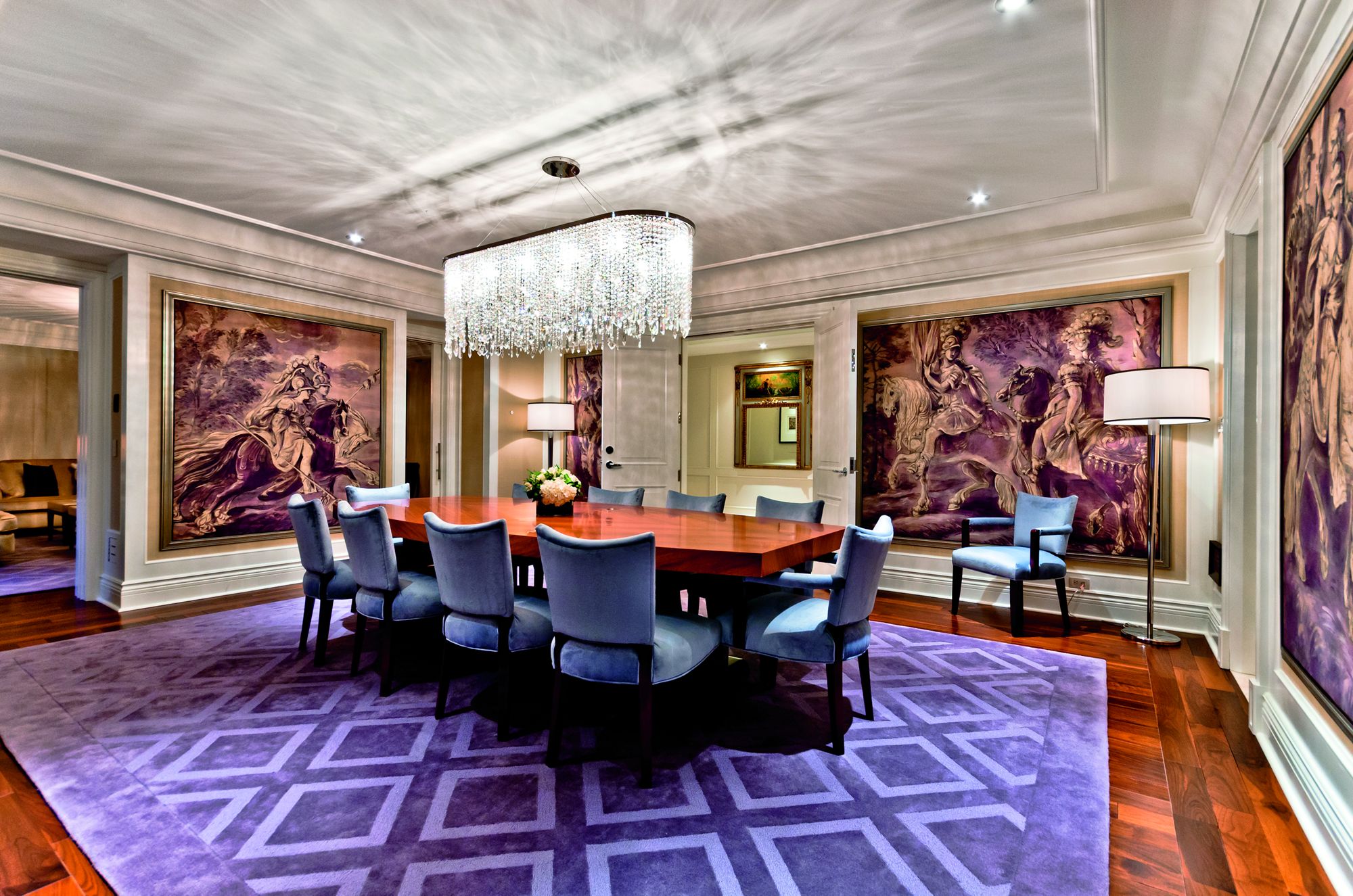
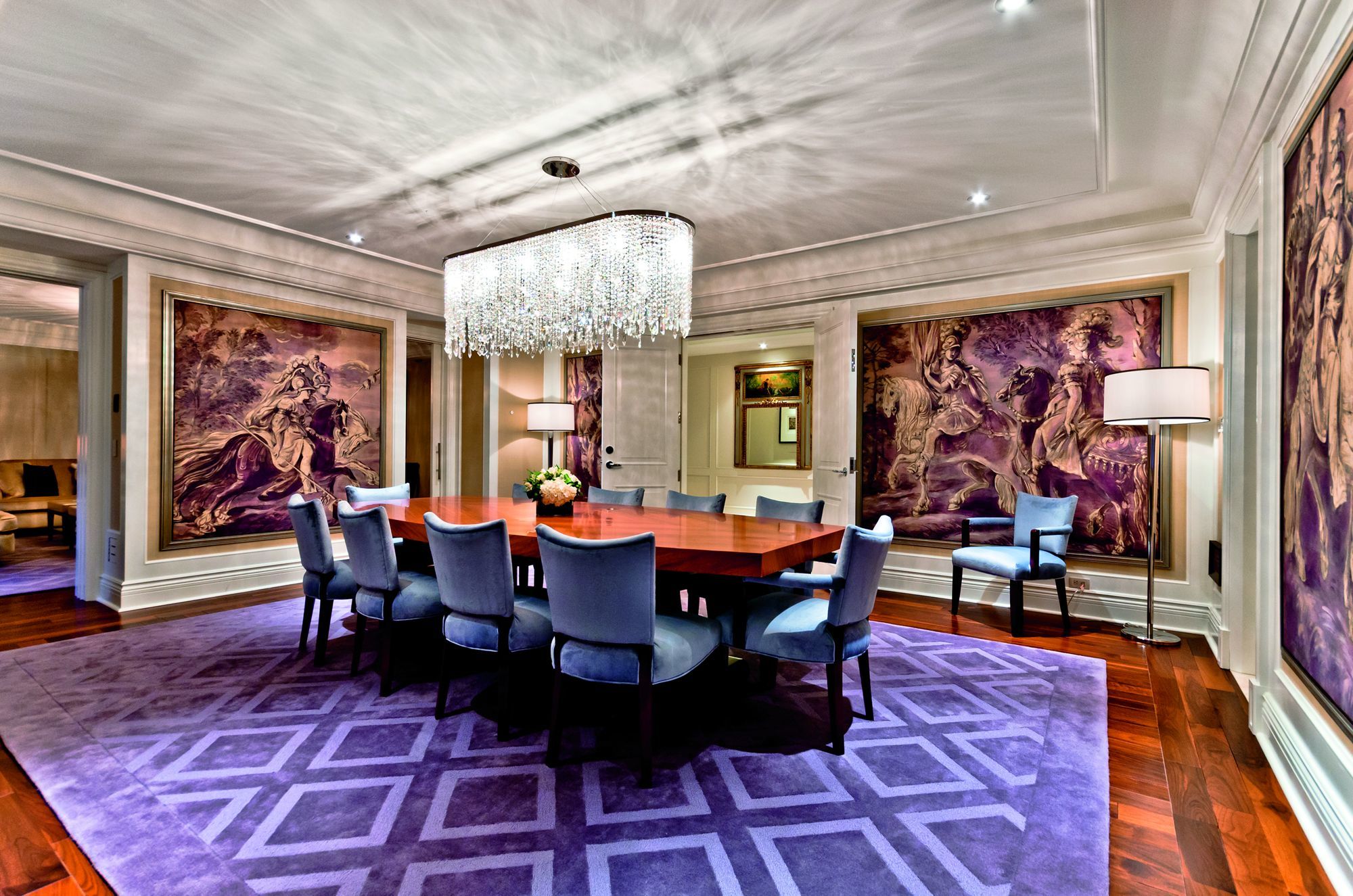
Custom hotel furniture is furniture that is designed, engineered, and produced to the specific requirements of one hotel, one room type, or one project, rather than pulled from a shared catalog that ships the same piece to every property. When a buyer asks "what is custom hotel furniture," the short answer is that it is a made-to-order product built around your guest room dimensions, brand identity, and operating environment, then manufactured by a factory like Richart that can deliver it to the loading dock on a known date. In this guide, I will walk you through what custom hotel furniture really means, how it differs from catalog and "semi-custom" pieces, where the real value shows up, and what to confirm with any supplier before you sign a purchase order.
QUICK ANSWER
Custom hotel furniture is furniture made to your project's drawings, dimensions, finishes, and hardware, not a stock item shared across many hotels. It is built once, for one property, and is the right choice when a buyer wants a clear brand point of view, fits non-standard rooms, or needs a specific look that catalogs cannot deliver.
What "Custom" Actually Means in Hospitality Furniture
In the hotel industry, the word "custom" gets used loosely, and that ambiguity has cost buyers a lot of money. A truly custom hotel furniture program is one where the factory builds each major case good, seating piece, and millwork item from a specific drawing or specification tied to your project, not from a generic SKU with a finish swap. The frame construction, joinery, foam density, fabric application, and hardware selection are all driven by your specification sheet, and the factory's drawings stay under your project's revision control until sign-off.
By contrast, "standard" hotel furniture is pulled from a manufacturer's existing catalog. The buyer picks a style number, picks a finish from a small swatch set, and the factory ships whatever the SKU already dictates. "Semi-custom" sits in the middle: the buyer can change the finish, the fabric, or one or two dimensions on a catalog piece, but the basic form is fixed. Both standard and semi-custom have their place, but for a flagship property or any project that needs a recognizable look, custom hotel furniture is the path that gives the design team actual control.
Three Things That Make a Piece Truly Custom
- Drawings tied to your project. The factory works from a drawing set that references your property, not a library drawing reused across buyers.
- Your finish, your hardware, your dimensions. Wood species, veneer cut, stain, metal finish, pull style, foam spec, fabric pattern, and even the location of cable ports are all yours to set.
- Engineered for the operating environment. Pieces are built for the humidity, traffic level, and use case of your specific property, from beachfront resort humidity to high-rotation city hotels.
Why Hotels Choose Custom Hotel Furniture Over Catalog Pieces
After more than a decade of working with hotel groups, brand owners, and procurement teams, I have seen the same handful of reasons come up again and again when buyers justify the move from catalog to a custom hotel furniture package. None of them are about ego or "having something nobody else has" in a superficial sense. They are all about outcomes the property can measure.
WHY BUYERS MOVE TO CUSTOM
- A clear brand point of view that the property can defend on a competitive set review
- Room layouts that do not match a standard kit, including odd column spacing, sloped ceilings, or non-standard door openings
- Durability targets that a standard SKU cannot meet for that specific property's occupancy profile
- A coordinated look across case goods, millwork, and soft seating that no single catalog line can deliver
In one renovation I supported, the brand team had been told by three different catalog suppliers that "the headboard is fixed at 72 inches and that is the only width available." The property's rooms were 67 inches of usable wall. Custom hotel furniture let the factory re-engineer the headboard, the nightstand set, and the wall paneling to a 65-inch nominal width, and the result was a room that actually looked proportioned rather than forced. That is the kind of fit problem custom solves almost every day.
What You Can Customize on a Hotel Furniture Program
A common mistake I see from first-time buyers is assuming custom means you can change the silhouette of a chair and nothing else. The reality is that a serious custom hotel furniture program lets the buyer control almost every layer of the piece. Below is a practical view of what is typically opened up for specification.
| Layer | What You Can Specify |
|---|---|
| Dimensions | Width, depth, height tailored to the room and ceiling height |
| Materials | Wood species, veneer cut, metal type, stone, glass, fabric, leather |
| Finishes | Stain, lacquer, paint color, metal plating, anti-fingerprint coatings |
| Hardware | Pulls, hinges, glides, soft-close, brand-marked hardware |
| Construction | Joinery method, frame core, edge banding, drawer box, foam density |
| Branding | Embossed logos, custom metal plaques, inlay details, fabric patterns |
| Performance | Contract-grade fabric, moisture resistance, anti-microbial finish, scratch resistance |
If a "custom" supplier tells you that only finish and fabric are changeable, you are not really getting a custom hotel furniture program, you are paying a custom premium for a semi-custom SKU. Ask the factory to walk through the construction sheet, not just the price list, before you commit.
Where Custom Hotel Furniture Delivers the Most Value
Custom is not always the right answer. For a focused-service property, a well-chosen catalog line can be smarter. But there are clear situations where I always recommend buyers look at a custom hotel furniture package instead, and these are the same scenarios I have walked through with owners, operators, and brand teams over the years.
Flaghip, Luxury, and Lifestyle Properties
When a property is being positioned in the upper tier of its comp set, the furniture becomes a load-bearing part of the brand. Guests may not be able to name the wood species, but they immediately feel whether the headboard, the desk, the lounge seating, and the millwork look like a system or like a mix of catalog pieces. A custom hotel furniture package, drawn by an in-house R&D team in partnership with the property's designer, lets every visible surface and every joint be a deliberate choice.
Non-Standard Rooms and Tight Floor Plates
Older conversions, heritage buildings, sloped ceilings, and tight urban floor plates rarely match a stock catalog. Custom hotel furniture lets the factory design around the actual room, including dressing areas with angled walls, window seats under sills, and corridor millwork that has to align with door swings. For these projects, custom is not a luxury, it is the only way to make the room work.
High-Traffic and Specialty Environments
Resort pool decks, beachfront lounges, spa reception areas, and all-day dining rooms have very specific exposure to sun, salt, chlorine, and humidity. A custom hotel furniture program lets the factory tune the substrate, the finish system, the foam, and the fabric to the actual operating environment instead of forcing a generic indoor SKU into an outdoor job. That is the difference between a deck that still looks good at year three and one that delaminates before the warranty conversation even starts.
Renovations and Conversions
When a property is being repositioned, a renovation is the natural moment to invest in a custom hotel furniture package. The existing floor plate, the existing millwork openings, and the existing brand color story all benefit from a piece that was drawn to match the room as it actually exists, not to a generic catalog ideal.
The Process Behind a Custom Hotel Furniture Program
A good custom program is not a single order, it is a small project with a defined sequence. When buyers understand the sequence, they can plan the schedule, the cash flow, and the approvals much more cleanly. Below is the process I have seen work well on most projects, and it is the same one our team at Richart uses from kickoff through installation.
- Concept and specification. The buyer, designer, and factory agree on materials, dimensions, finishes, hardware, and performance targets.
- Drawings and samples. The factory produces shop drawings, renderings, and physical samples for review and sign-off.
- Prototype and refinement. A first-article piece is built, reviewed on the floor or in a mock-up room, and refined.
- Production and quality control. The full run is produced against the approved prototype, with in-line inspections.
- Packing, shipping, and installation. Pieces are crated, shipped under a clear logistics plan, and installed by a qualified team.
Custom hotel furniture is a sequence, not a single event, and the buyers who get the best result are the ones who treat each stage as a milestone with sign-off rather than a step in a calendar.
How to Choose a Custom Hotel Furniture Manufacturer
Not every factory that says they offer custom hotel furniture actually runs a true custom program. Some are brokers, some are assemblers, and some are catalog producers who have added a "custom" line to capture higher-margin inquiries. Here is how I filter suppliers before I ever put a deposit down.
- In-house R&D and design team. Ask how many designers work in-house. A serious custom program should have a team that can turn your spec into a drawing set without outsourcing the work.
- Certifications that actually apply. Look for ISO 9001 for quality management, ISO 14001 for environmental management, and OHSAS 18001 for occupational health and safety. Ask to see the current certificates, not just logos on a website.
- Reference projects at the right tier. Ask for case studies of properties at the same tier as yours. A factory that has delivered for international hotel groups will have a different operating rhythm than one whose only reference is local inns.
- A clear production plan and milestone schedule. Custom hotel furniture only works when the schedule is visible. The factory should be able to give you a milestone-based plan, not just a delivery date.
- A real sample program. Before you commit to a full run, the factory should be willing to produce a sample of the headline piece, not just a finish chip.
You can see a real example of how this filter plays out on our overview of the Richart made-to-order furniture program, where the in-house design team and the sample-first workflow are both visible up front.
Common Mistakes to Avoid When Buying Custom Hotel Furniture
Over the years, I have seen a handful of mistakes repeat themselves across almost every region. None of them are exotic, and all of them are avoidable if the buyer knows to look for them at the start of the project.
- Treating "custom" as a finish swap rather than a true specification change. The result is a piece that looks semi-custom at custom prices.
- Skipping the prototype because of schedule pressure. The first-article review is where most construction problems are caught cheaply.
- Locking dimensions before the room is measured on site. Drawings and reality do not always agree, and a custom hotel furniture program can absorb that if it is caught early.
- Failing to align the factory's hardware library with the property's maintenance team. A beautiful pull that takes twelve weeks to replace is a maintenance liability.
- Picking fabric and foam for a beach property from an indoor sample card. Outdoor and indoor performance targets are not the same.
A custom hotel furniture program rewards buyers who slow down at the front end. The projects that go wrong almost always go wrong because someone wanted to save a week in week one and lost a month in week twelve.
Frequently Asked Questions About Custom Hotel Furniture
Is custom hotel furniture always more expensive than catalog?
Per piece, yes. Across a project, often not, because custom avoids the compromises that drive costly field fixes and replacement cycles. The right comparison is total project outcome, not unit price alone.
How long does a custom hotel furniture program take from order to installation?
A typical full-property program runs several months from kickoff to installation, with the design and sampling phase taking the largest share early on. The exact timeline depends on the scope, the complexity of the millwork, and the shipping plan.
Can a factory do both custom hotel furniture and catalog lines?
Yes, and many do, but the two production lines should be clearly separated. Ask which line your order will be produced on and how the team is staffed for that line.
Do I need a designer on my side to buy custom hotel furniture?
You do not strictly need a third-party designer, but a clear point of view on the property's design direction makes the program much smoother. A good factory design team can help you build that point of view, but having one going in shortens the front end.
A well-run custom hotel furniture program is one of the most powerful tools a hotel has to make the property feel intentional, and it is the path I recommend for any project where brand clarity, fit, and durability all have to be right at the same time. If you are weighing a custom hotel furniture package for an upcoming renovation or new build, the smartest first step is to align the specification, the sample plan, and the schedule before you sign anything.
Ready to scope a custom hotel furniture program for your property? Talk to our project team about your room count, timeline, and brand direction, and we will pull a tailored sample and specification plan together with you.